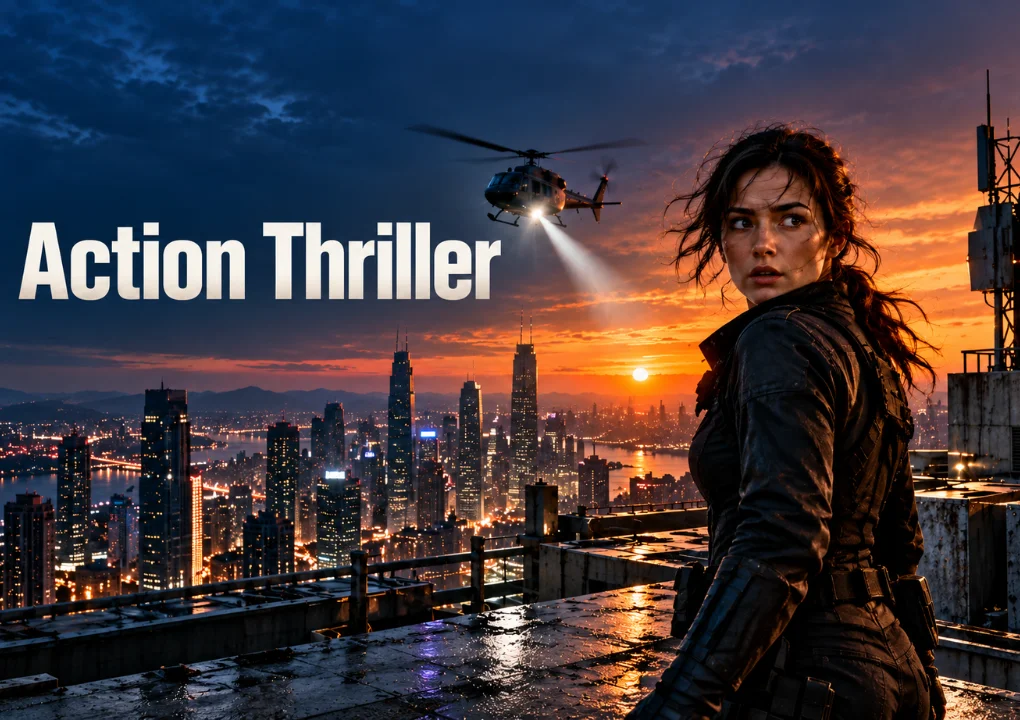
An action thriller combines physical danger with sustained suspense. The story moves through chases, fights, escapes, investigations, or urgent missions. Yet tension matters as much as spectacle because viewers rarely know what will happen next.
Direct answer: This genre mixes fast physical conflict with suspense, uncertainty, and escalating danger. Characters often face armed enemies, deadlines, conspiracies, or survival threats. Strong examples make every chase or fight change the story, instead of treating action as decoration.
| Key element | What it usually means |
|---|---|
| Core experience | Excitement mixed with suspense |
| Story engine | Pursuit, escape, rescue, investigation, or mission |
| Stakes | Survival, public safety, justice, family, or national security |
| Main character | A capable professional or ordinary person under pressure |
| Opposing force | A clear enemy, organization, conspiracy, or deadly situation |
| Common set pieces | Chases, fights, shootouts, escapes, rescues, and standoffs |
| Familiar examples | Die Hard, Speed, The Fugitive, The Bourne Identity, and Sicario |
Key Takeaways
- Physical conflict must affect the story rather than exist only for spectacle.
- Suspense keeps audiences uncertain between the large set pieces.
- Deadlines and limited choices increase pressure on the main character.
- Strong antagonists challenge both physical ability and decision-making.
- The genre can overlap with crime, espionage, science fiction, survival, and mystery.
- A satisfying story usually balances momentum with believable personal stakes.
What Is an Action Thriller?
The genre sits between traditional action cinema and suspense-driven storytelling. Action supplies visible danger through movement, conflict, stunts, and physical obstacles. Suspense supplies uncertainty about outcomes, motives, loyalties, and approaching threats. That combination explains why a chase alone does not define the category. A chase becomes more tense when the audience understands what failure will cost.
The strongest stories connect every physical problem to a larger question or danger. Cambridge defines the term as an exciting story with substantial physical excitement. OpenLearn also emphasizes rapid, high-tension events and actions. These definitions point toward the same core idea: speed works best when pressure drives it.
Seven Traits That Define the Genre
1. A clear and immediate threat
The central danger usually becomes understandable early in the story. Someone may be hunted, framed, trapped, kidnapped, or forced into a dangerous mission. That clear threat gives later scenes a strong sense of direction. The enemy does not always need to be one person. A criminal organization, hostile government unit, disaster, or conspiracy can fill the same role. What matters is that the protagonist cannot safely ignore the problem.
2. High personal or public stakes
Large explosions mean little without a reason to care about them. Strong stories give the hero something specific to lose. That might include family, freedom, identity, innocent lives, or the chance to expose the truth. Personal stakes also help viewers understand risky decisions. A character may enter danger because avoiding it would create an even worse outcome. The result feels urgent rather than artificially reckless.
3. Physical obstacles that change the plot
Good set pieces create consequences rather than delay the next scene. A failed escape may reveal the hero’s location. A fight can expose a hidden ally, destroy evidence, or force a new plan. This distinction separates meaningful action from empty movement. Spectacle should create new problems, answers, or choices. Each major sequence needs to push the story somewhere different.
4. Suspense between confrontations
Constant fighting can become predictable without quieter pressure. Effective stories use waiting, uncertainty, investigation, and limited information between physical scenes. Those moments give the audience time to fear what may happen next. The hero might suspect a betrayal or discover that the original mission was false.
A ticking clock can create tension without anyone firing a weapon. Suspense keeps the story active even while the characters appear still.
5. A protagonist who must adapt
Many genre heroes begin with useful skills, but skill alone cannot solve everything. Plans fail, allies disappear, and opponents learn from earlier mistakes. The lead character must change tactics as the danger grows. This adaptability often makes the protagonist more interesting than simple toughness. John McClane survives through improvisation as much as force in Die Hard. Jason Bourne combines physical skill with observation, memory, and quick decisions.
6. A capable opposing force
Weak villains make talented heroes look less impressive. The opposing side needs resources, intelligence, persistence, or a believable advantage. That pressure prevents the protagonist from solving every problem too easily. A memorable enemy also creates uncertainty. The audience should understand that mistakes have serious consequences. Strategic opponents make escapes, confrontations, and final choices feel earned.
7. Escalation toward a decisive climax
The danger normally increases as the story moves forward. Options narrow, time decreases, and earlier decisions create harder problems. This pattern gives the final confrontation more weight. The climax should answer the story’s central conflict. It might end with an escape, a rescue, an exposed conspiracy, or a final confrontation. The exact outcome can vary, but the buildup needs a clear payoff.
Action vs. Thriller vs. Action Thriller
These categories overlap, but they create excitement in different ways. Pure action stories emphasize visible physical conflict and set pieces. Suspense films place more weight on uncertainty, danger, secrets, and anticipation.
| Feature | Action | Suspense-focused story | Hybrid |
|---|---|---|---|
| Main feeling | Excitement | Tension | Excitement plus tension |
| Common conflict | Physical obstacle | Hidden or uncertain danger | Both |
| Typical question | Can the hero survive? | What is happening? | Can the hero survive and solve it? |
| Common tools | Fights, stunts, chases | Secrets, clues, deadlines | Chases, clues, danger, deadlines |
| Story pace | Usually fast | Can be slow or fast | Usually fast with quieter tension |
A film can contain fights without becoming an action movie. Likewise, one surprising twist does not automatically create sustained suspense. The dominant storytelling method matters more than any single scene.
How Pacing Keeps the Story Tense
Pacing does not mean making every scene move at maximum speed. Audiences need changes in intensity to notice when danger rises. Quieter scenes can make the next chase or confrontation feel faster. Writers often alternate information, preparation, danger, and consequences. One scene may reveal the target’s location. The next may turn that information into an urgent pursuit with fewer escape options.
That rhythm also helps character development. People reveal priorities when they have little time to choose. Pressure turns ordinary decisions into meaningful tests of loyalty, courage, or judgment.
Familiar Movies That Show Different Approaches
Die Hard combines a contained location with an intelligent criminal plan. Physical danger is constant, but information also matters throughout the film. The hero succeeds by learning the building and adapting to changing circumstances. Speed uses an especially simple deadline: a bus cannot safely slow below a set speed. That rule creates instant tension and limits the characters’ choices. New obstacles keep changing how they must respond.
The Fugitive adds investigation to a prolonged pursuit. Its central character must survive while trying to understand the crime behind his situation. That double goal keeps both movement and unanswered questions active. The Bourne films lean toward espionage and identity. Their fights and chases matter, but hidden information drives much of the tension. This approach shows how easily the format can mix with spy stories.
Readers interested in actors known for physical roles can also explore Writeortell’s story behind Noah Centineo’s scar and changing look. The site also offers more film, television, and popular-culture coverage. Fans of television suspense can also read Cote de Pablo’s career overview, including her NCIS role.
Why These Stories Keep Audiences Engaged
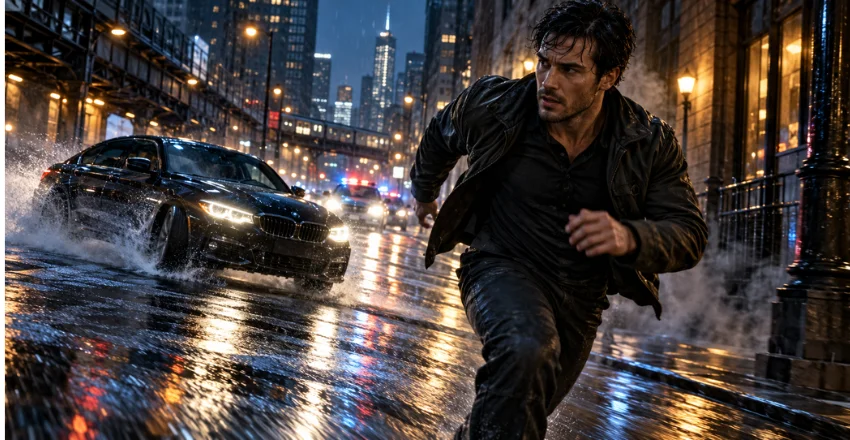
The format creates two forms of anticipation at once. Viewers want to know what will happen physically and what information will emerge. A good sequence can answer one question while creating another. Limited choices strengthen that effect. Characters may have minutes to act, incomplete information, or no completely safe option. Audiences stay engaged because every decision carries a visible cost.
The structure is also flexible. Filmmakers can combine it with crime, espionage, science fiction, military stories, survival plots, or political conspiracies. The surrounding setting changes while the central promise remains recognizable.
What Separates a Strong Story From Empty Spectacle?
The best set pieces have a reason to exist. They reveal character, change relationships, expose information, or create consequences. Removing one should damage the story, not merely shorten the running time. Character motivation must remain clear during complicated scenes. Viewers should understand where the protagonist wants to go and why. Clear objectives make complex action easier to follow.
Finally, suspense requires uncertainty. A hero who can defeat every threat without meaningful risk becomes predictable. Vulnerability keeps victories satisfying because success never feels guaranteed.
Frequently Asked Questions
What is an action thriller?
An action thriller is a story that combines physical conflict with sustained suspense. Chases, fights, escapes, and dangerous missions usually move the plot forward. Uncertainty, deadlines, hidden information, or difficult choices create tension between those moments.
How is it different from a regular action movie?
A regular action movie may place greater emphasis on spectacle and physical confrontation. The hybrid form gives suspense a bigger role in the story. Audiences need to worry about outcomes, motives, information, or approaching danger.
Does the genre always involve crime?
Crime is common, but it is not required. Stories can involve spies, soldiers, disasters, assassins, survival situations, science fiction, or political threats. The important elements are physical danger, pressure, and sustained tension.
Are these stories always violent?
Many contain fights, weapons, or dangerous confrontations, but violence levels vary. A film can create strong physical tension through escapes, pursuit, sabotage, or survival. The rating depends on how those events are depicted.
What are some good examples for beginners?
Die Hard offers a clear hero, location, enemy, and escalating danger. Speed demonstrates how a simple rule can create constant urgency. The Fugitive shows how pursuit and investigation can work together.
The Bottom Line
This genre works because movement alone is never the entire attraction. Audiences also need uncertainty, consequences, and a reason to fear failure. Strong stories make every confrontation affect what happens next. For viewers, that mixture creates a fast experience without sacrificing narrative tension. For writers, it provides a useful test for every major scene. Ask whether the sequence changes the problem, raises the stakes, or forces a difficult choice.
If you want more movie, television, and popular-culture explainers, continue through Writeortell’s entertainment coverage. Compare how different stories create suspense rather than judging them by explosions alone. That approach makes genre labels easier to understand and more useful.